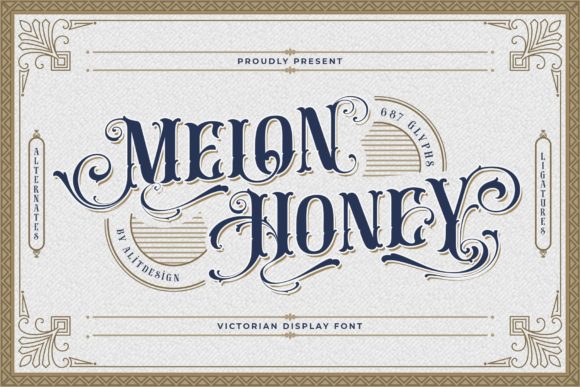
The Art of Melon Honey: Unlocking the Power of PUA-Encoded Blackletter Typography
In the vast and ever-evolving landscape of digital typography, finding a font that strikes the perfect balance between historical gravitas and modern usability can feel like searching for a needle in a haystack. Designers, typographers, and creative professionals are constantly on the hunt for typefaces that offer more than just standard character sets—they seek fonts with personality, depth, and technical flexibility. Enter Melon Honey, a distinct and highly detailed blackletter font that has been making waves in the design community for its unique encoding method and stunning visual output. This article explores what makes Melon Honey special, why its PUA encoding matters, and how you can confidently integrate it into your next creative project.
Understanding the Blackletter Tradition
To truly appreciate Melon Honey, one must first understand the tradition from which it springs: blackletter, also known as Gothic script or Old English. Historically, this style dominated Western European writing from the 12th through the 16th centuries. Characterized by dense vertical lines, sharp angles, and intricate decorative elements, blackletter conveys a sense of authority, tradition, and ornate beauty. It is often associated with religious manuscripts, legal documents, and classic branding.
However, traditional blackletter fonts often come with limitations. They may lack sufficient glyphs for modern languages, struggle with legibility at small sizes, or require complex workarounds to access alternate characters. This is where contemporary interpretations like Melon Honey diverge from their ancestors, offering a refined experience that respects history while embracing modern technological standards.
What is PUA Encoding?
The most significant technical feature of Melon Honey is its use of PUA (Private Use Area) encoding. To understand why this is a game-changer, we need to look at how fonts store characters. Standard Unicode encoding assigns specific code points to letters, numbers, and symbols. However, there are thousands of potential glyphs—swashes, ligatures, ornaments, and alternate forms—that do not fit neatly into these standard slots.
The Private Use Area is a reserved section of the Unicode standard intended for private agreement between users and applications. By utilizing PUA encoding, font designers can pack an extensive library of additional glyphs, swashes, and stylistic alternates into a single font file without worrying about conflicting with standard characters. For the user, this means access to all glyphs and swashes with ease.
In many older fonts, accessing a fancy swash might require using OpenType features that can be finicky to implement or simply not available at all. With Melon Honey’s PUA approach, every single decorative element is directly accessible. You don’t need to memorize complex keyboard shortcuts or rely on third-party software to unlock the font's full potential. The entire palette of artistic options is right there, ready to be used.
Why Accessibility Matters in Design
For beginners and experienced designers alike, ease of access is crucial. When a font allows you to "add it confidently to your favorite creations," it removes friction from the creative process. Instead of spending hours troubleshooting why a specific glyph isn't rendering correctly, you can focus on composition and aesthetics. This seamless integration encourages experimentation, allowing you to try different combinations of letters and ornaments until you achieve the desired outcome.
The Visual Appeal of Melon Honey
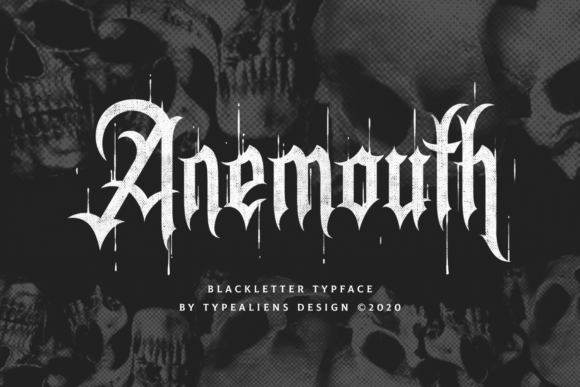
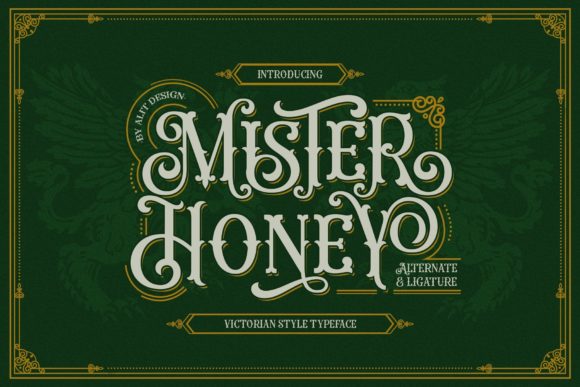
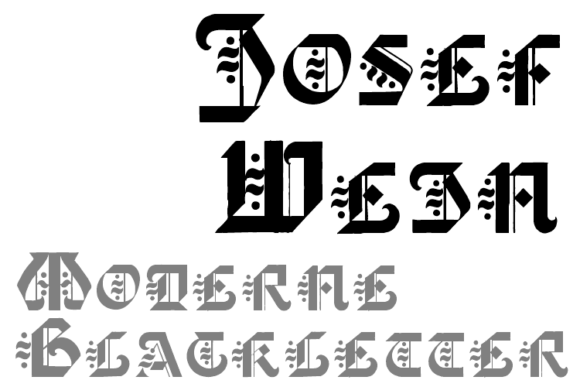
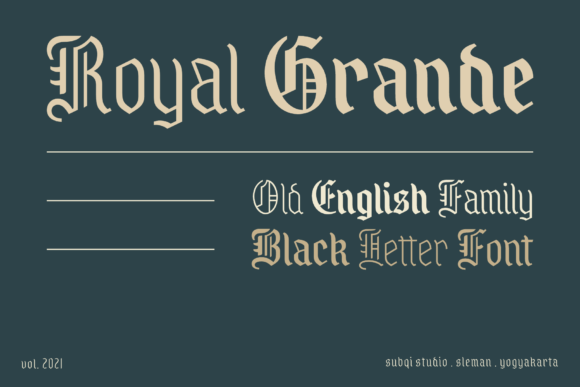
Beyond its technical prowess, Melon Honey is celebrated for its aesthetic quality. The font is described as "highly detailed," which is evident in the sharp serifs, the varying thickness of the strokes, and the intricate flourishes that adorn many of the characters. These details give the text a tactile, almost hand-carved appearance, even though it is a digital creation.
This level of detail is particularly effective in headlines, logos, and poster designs where impact is key. The density of the blackletter style creates a strong visual anchor, drawing the viewer’s eye immediately. Whether you are designing a label for a craft beer, a banner for a medieval fair, or a title page for a novel, Melon Honey provides a sophisticated backdrop that elevates the overall design.
Examples of Practical Application
- Branding and Logos: The ornate nature of Melon Honey works exceptionally well for brands that want to convey heritage, luxury, or artisanal quality. Imagine a logo for a boutique bakery or a high-end furniture maker; the font adds an immediate layer of prestige.
- Event Posters: For concerts, theater productions, or festivals with a thematic focus on history or fantasy, this font sets the tone instantly. Its dramatic flair ensures that posters stand out in a crowded visual environment.
- Editorial Design: In magazines or books, Melon Honey can be used for pull quotes, chapter headers, or decorative initials. The PUA-encoded swashes allow for custom drops caps and borders that add a touch of elegance to the layout.
Common Misunderstandings About Blackletter Fonts
Despite its beauty, blackletter is sometimes misunderstood as being difficult to read or outdated. While it is true that blackletter should not be used for body text due to its complexity, this does not diminish its value as a display font. The key is context. Melon Honey is designed to be used strategically, not ubiquitously. When paired with clean, sans-serif body text, it creates a striking contrast that highlights both readability and style.
Another misconception is that such fonts are technically challenging to use. As discussed, Melon Honey’s PUA encoding simplifies this process. Users do not need advanced knowledge of typography to benefit from its features. The font is designed to be intuitive, ensuring that even those new to graphic design can produce professional-looking results.
How to Get Started with Melon Honey
If you are interested in incorporating Melon Honey into your workflow, the first step is to ensure your software supports PUA-encoded fonts. Most modern design applications, including Adobe Illustrator, Photoshop, and InDesign, handle these fonts seamlessly. Once installed, you can access the various glyphs through the Glyphs panel or character map utility provided by your operating system.
- Installation: Download the font file and install it according to your system’s instructions.
- Exploration: Open your design software and type out some basic text. Then, open the Glyphs panel to browse the available swashes and alternates.
- Experimentation: Try mixing standard letters with decorative swashes. Play with spacing and kerning to see how the font interacts with other elements.
- Integration: Combine Melon Honey with complementary fonts and colors to create a cohesive design. Remember to let the font shine by keeping the surrounding elements simple.
The Future of Ornate Typography
As digital design continues to evolve, there is a growing appreciation for typefaces that offer more than just functional communication. People crave visual experiences that evoke emotion and tell a story. Melon Honey represents this shift, offering a tool that bridges the gap between historical artistry and modern convenience. Its PUA encoding ensures that it remains relevant and usable in future projects, providing a robust foundation for creative expression.
Whether you are a seasoned professional looking to add a touch of gothic elegance to your portfolio or a beginner eager to explore the world of decorative fonts, Melon Honey offers a compelling option. Its combination of detailed craftsmanship and user-friendly technology makes it a standout choice in the crowded field of blackletter fonts.
Conclusion
Melon Honey is more than just a font; it is a versatile design tool that empowers creators to produce stunning visual content. By leveraging PUA encoding, it provides unrestricted access to a rich library of glyphs and swashes, allowing for endless creative possibilities. Its detailed blackletter style adds depth and character to any project, from branding to editorial design. As you explore the capabilities of Melon Honey, remember to experiment boldly and let yourself be amazed by the outcomes generated. With its blend of historical charm and modern functionality, Melon Honey is poised to become a staple in the toolkit of designers who value both beauty and efficiency.