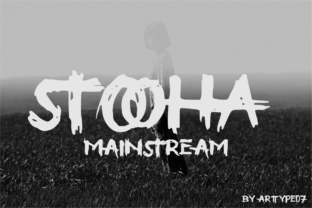
Stooha: Elevating Projects with Playful Blackletter Design
In the crowded landscape of digital and print design, standing out often comes down to a single element: typography. While sans-serif fonts dominate modern minimalism and serif fonts anchor traditional authority, there is a niche that bridges history and whimsy—the blackletter script. Among these, Stooha has emerged as a distinctive choice for creators looking to inject personality into their work. It is not merely a font; it is a stylistic statement that combines the ornate structure of historical calligraphy with a playful, approachable twist.
For designers, entrepreneurs, and hobbyists alike, selecting the right typeface is a strategic decision. Stooha offers a unique value proposition by softening the often-intimidating rigidity of traditional gothic scripts. This makes it an ideal tool for branding, logos, invitations, signatures, crafting, and more. By understanding how this versatile font functions across different contexts, you can determine if it aligns with your creative goals.
What Makes Stooha Distinct?
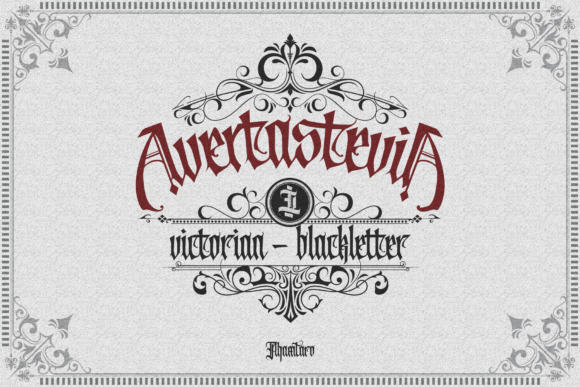
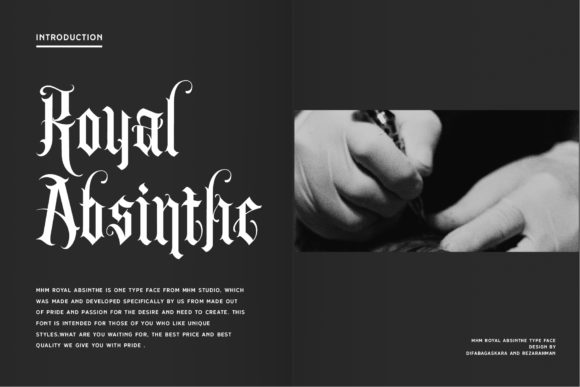
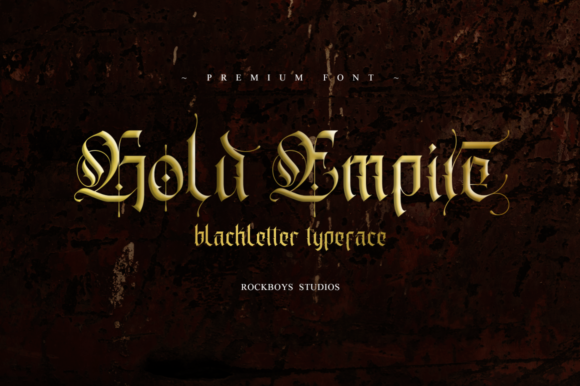
To appreciate Stooha, one must first understand its roots. Blackletter, or Gothic script, originated in medieval Europe and was historically used for formal documents and religious texts. These fonts are characterized by their dense, angular, and highly decorative letterforms. However, traditional blackletter can feel heavy, archaic, or difficult to read at small sizes. Stooha addresses these challenges by introducing a "playful" aesthetic.
The font retains the visual weight and character of blackletter but simplifies certain strokes to improve legibility and add charm. The result is a typeface that feels both historic and contemporary. It avoids the harshness of strict historical accuracy while keeping enough detail to be recognizable as a script font. This balance allows it to function effectively in various mediums, from high-resolution web headers to handcrafted paper goods.
- Visual Appeal: The intricate details draw the eye without overwhelming the content.
- Versatility: It works well for both large display text and smaller accent elements.
- Mood: It conveys creativity, tradition, and fun simultaneously.
Why Different Audiences Care About Typography
Different professionals prioritize typography for different reasons. A graphic designer might care about kerning and ligatures, while a small business owner cares about brand recognition. For educators, clarity and engagement matter most. Consumers, on the other hand, react emotionally to the "vibe" a font creates before they even read the words.
Stooha serves these varied needs by offering flexibility. It is not a one-size-fits-all solution, but rather a specialized tool that excels when used intentionally. Understanding where it fits best helps users avoid common pitfalls, such as using decorative fonts for body text where readability is paramount.
For Beginners and Hobbyists
If you are just starting your design journey or enjoy DIY projects, Stooha can be an accessible entry point into the world of custom branding. Many beginners struggle with choosing fonts that look professional yet unique. Stooha provides instant visual impact because of its strong character. You do not need advanced design skills to make a project look polished; simply placing Stooha against a clean background can create a striking contrast.
Hobbyists who engage in crafting—such as making wedding invitations, scrapbooks, or handmade tags—will find Stooha particularly useful. Its playful nature complements themes like vintage parties, rustic weddings, or artistic workshops. The font adds a touch of elegance without feeling stuffy, allowing creators to express personal style easily.
For Professionals and Creators
Experienced designers view fonts as tools for communication. They evaluate Stooha based on its technical performance and adaptability. For a logo designer, the challenge is creating a mark that is memorable. Stooha’s distinct shapes can serve as the core identity for brands that want to appear established yet creative. Think of craft breweries, artisanal bakeries, boutique hotels, or creative agencies.
However, professionals also know the importance of pairing. Stooha should rarely stand alone. It pairs exceptionally well with simple sans-serif fonts for body copy. This combination ensures that while the headline grabs attention, the informational text remains easy to scan. This strategic layering is crucial for maintaining user experience on websites and in marketing materials.
For Entrepreneurs and Small Business Owners
For business owners, every dollar spent on design should yield a return in brand equity. Using a font like Stooha signals specific values: craftsmanship, attention to detail, and a human touch. If you are launching a new product line or rebranding, the choice of typography communicates your market position.
Consider a freelance illustrator or a photographer. Their portfolio website needs to reflect their artistic eye. Using Stooha for section headers or signature lines can reinforce their brand identity as someone who values artistry. It helps differentiate them from competitors who may use generic templates. The font becomes part of the business narrative, suggesting that the service provided is personalized and thoughtful.
Practical Applications Across Industries
The utility of Stooha extends beyond static images. Its application varies significantly depending on the medium and the audience's expectations.
Branding and Logos
A logo is the face of a business. Stooha works best for businesses that want to evoke a sense of heritage or handcrafted quality. It is less suitable for tech startups aiming for a sleek, futuristic look. Instead, imagine a local coffee roaster or a pottery studio. The font’s organic curves mimic the handmade process, creating an immediate connection with customers who value authenticity.
Invitations and Events
Event design relies heavily on mood setting. Whether it is a birthday party, a corporate gala, or a community workshop, Stooha can set the tone. For formal events, it adds a layer of sophistication. For casual gatherings, its playful nature keeps the atmosphere light and inviting. The key is consistency; using Stooha across all event materials—from save-the-dates to signage—creates a cohesive experience.
Social Media and Digital Content
In the fast-paced world of social media, visuals stop the scroll. Stooha can be used for quote graphics, promotional banners, or story overlays. Because it is visually dense, it requires ample white space around it to breathe. When used correctly, it enhances engagement by adding a unique aesthetic that stands out in a feed dominated by standard fonts.
Evaluating Long-Term Usefulness
When investing in a font license, consider long-term usefulness. Trends come and go, but classic styles with a modern twist tend to endure. Stooha’s blend of traditional form and playful execution gives it longevity. It does not feel tied to a specific year or fad, making it a safe investment for ongoing projects.
Furthermore, its versatility reduces the need for multiple decorative fonts. Having one strong script like Stooha in your toolkit can simplify your design process, ensuring consistency across different projects. This efficiency is valuable for freelancers and agencies managing multiple clients.
Identifying Your Fit
Deciding whether Stooha is right for you depends on your specific goals. Ask yourself:
- Does my brand value tradition mixed with fun? If yes, Stooha is a strong candidate.
- Am I designing for display purposes? If the text will be large and viewed briefly, the font’s details will shine.
- Do I have a contrasting font for body text? If you plan to use Stooha extensively, ensure you have a neutral partner font available.
If your goal is to create a clean, minimalist interface for a software app, Stooha may not be the primary choice. However, if you are designing packaging, merchandise, or editorial layouts, it offers a creative spark that elevates the final product. By aligning the font’s characteristics with your project’s needs, you can harness its full potential to communicate your message effectively.