Old Scotch: Bold Blackletter for Authentic Design
In a digital landscape dominated by clean sans-serifs and minimalist aesthetics, there is a distinct power in leaning into history. Old Scotch is not merely a font; it is a visual statement that commands attention through its bold, authentic blackletter structure. For creators, designers, and entrepreneurs looking to inject character into their projects, this typeface offers a bridge between medieval tradition and modern branding needs.
Adding Old Scotch to your favorite creative ideas does more than just change the text style—it transforms the entire mood of the project. It makes designs come alive with a sense of heritage, craftsmanship, and unapologetic strength. Whether you are designing a label for a craft brewery, laying out a blog post about artisanal goods, or creating a logo for a local business, understanding how to wield this font effectively can elevate your work from standard to standout.
Understanding the Character of Old Scotch
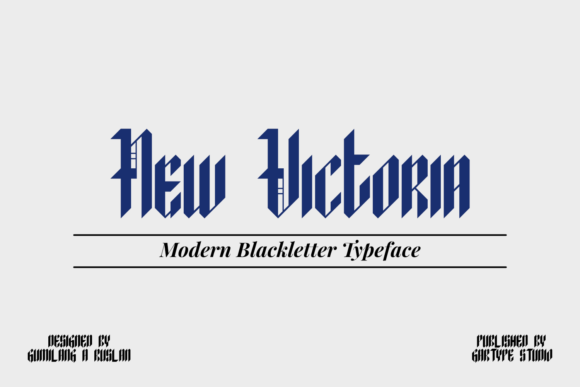
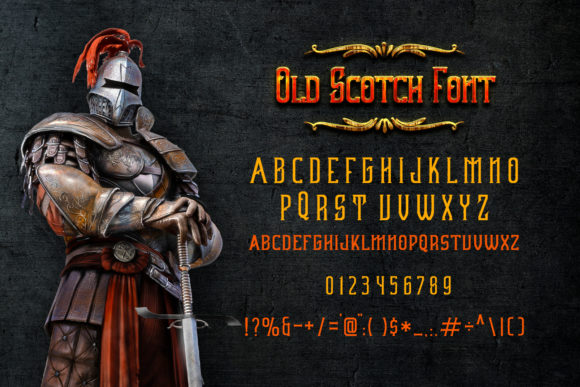
Before diving into applications, it is crucial to understand what makes Old Scotch unique. Unlike many modern interpretations of Gothic or Blackletter fonts that feel stiff or overly decorative, Old Scotch retains a raw, hand-cut authenticity. Its thick strokes and sharp angles evoke the feeling of ink pressed onto rough parchment. This visual weight provides immediate authority and gravitas.
The font’s appeal lies in its balance. It is bold enough to serve as a primary headline but structured enough to maintain readability when used correctly. For designers, this means it can anchor a layout without overwhelming the viewer. For marketers, it signals quality and tradition, which are powerful emotional triggers for consumers seeking genuine products over mass-produced alternatives.
Creative Applications Across Industries
The versatility of Old Scotch extends far beyond traditional "old world" themes. While it naturally fits certain industries, its adaptability allows it to shine in unexpected contexts. Here is how different professionals can integrate this font into their workflows.
Branding and Logo Design
For small business owners and brand strategists, typography is often the first point of contact with a customer. Old Scotch is an excellent choice for businesses that want to communicate reliability, craftsmanship, or luxury. Consider its use in:
- Craft Beverages: Beer labels, whiskey tags, and cider packaging benefit from the rustic yet refined look of blackletter.
- Artisanal Food Products: Jam jars, spice blends, and bakery signs gain an air of homemade authenticity.
- Heritage Brands: Companies with long histories or those aiming for a vintage aesthetic find Old Scotch perfectly aligned with their narrative.
When using Old Scotch for logos, ensure you have enough contrast in your background. The heavy serifs and dense letterforms require space to breathe. Avoid cluttering the design with too many competing elements; let the typography be the hero.
Digital Content and Blogging
Blogger and content creators often struggle with maintaining visual interest in long-form text. While body copy should generally remain readable, Old Scotch can be used strategically to break up sections. Use it for section headers, pull quotes, or introductory paragraphs to set a specific tone.
For example, a travel blogger writing about historical sites in Europe could use Old Scotch for chapter titles, instantly transporting the reader to the era being discussed. A tech reviewer discussing retro gaming hardware might use it to add a nostalgic flair to their article headers. The key is moderation. Use the font to highlight, not to dominate.
Social Media and Marketing Materials
In the fast-scrolling world of social media, bold typography stops the thumb. Old Scotch’s high visual impact makes it ideal for Instagram graphics, Pinterest pins, and Facebook ads. When paired with muted or earthy color palettes, it creates a sophisticated contrast that draws the eye.
Marketers can leverage this font for limited-time offers or exclusive product launches. The association with exclusivity and tradition can create a sense of urgency and value. However, always test legibility on mobile devices. If the text becomes too small to read clearly, the boldness works against you.
Practical Tips for Effective Usage
To get the most out of Old Scotch, it is important to approach it with intention. Here are practical guidelines to ensure your designs remain clear, effective, and audience-friendly.
- Prioritize Readability: Blackletter fonts can be difficult to read in long passages. Reserve Old Scotch for headlines, titles, and short phrases. Never use it for body text unless your audience is specifically expecting a stylized experience.
- Pair with Simple Fonts: Balance the complexity of Old Scotch with clean, simple typefaces for supporting text. A geometric sans-serif or a classic serif pairs well because it does not compete for attention. This contrast highlights the uniqueness of Old Scotch while keeping the overall design organized.
- Consider Color and Texture: The font looks particularly striking when paired with textures like paper grain, wood, or stone. In digital design, subtle drop shadows or textured backgrounds can enhance the three-dimensional feel of the letters.
- Maintain Consistency: If you choose Old Scotch as part of your brand identity, use it consistently across all touchpoints. Mixing it with too many other decorative fonts can create visual chaos. Stick to one or two complementary typefaces to maintain a cohesive look.
Adapting to Different Audiences
Different user groups will interact with Old Scotch in various ways. Educators might use it in worksheets or certificates to add a sense of formality and achievement. Hobbyists crafting physical goods, such as leather journals or wooden signs, can find inspiration in the font’s tactile qualities. Freelancers offering graphic design services can offer Old Scotch as a specialized option for clients seeking a distinctive brand voice.
For publishers, Old Scotch can be used in book covers for genres like fantasy, historical fiction, or horror. It sets expectations for the reader immediately. The font’s dark, bold nature aligns well with stories that involve mystery, adventure, or deep roots in the past.
Conclusion: Making Your Ideas Come Alive
Old Scotch is more than just a typeface; it is a tool for storytelling. By incorporating it into your creative projects, you add a layer of depth and authenticity that resonates with audiences tired of generic design. Whether you are launching a new business, updating your website, or simply experimenting with personal art, Old Scotch offers a bold path forward.
Experiment with scale, spacing, and pairing. Notice how it changes the perception of your message. With careful application, this font can transform ordinary ideas into extraordinary visual experiences. Embrace its character, respect its history, and let it bring a unique energy to your work.